
Product
FRIENDLY/link Nantong zhuolida Ali SAMSAN Corrosion machining Nantong zhuolida HJD Shenzhen zhuolida Esprit print
HOTLINE
189-3869-3452 0513-8160 1666

189-3869-3452 0513-8160 1666

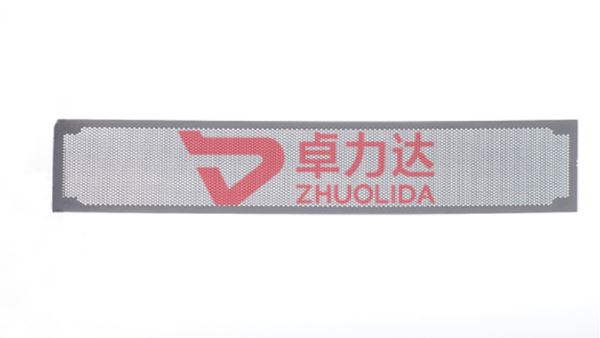
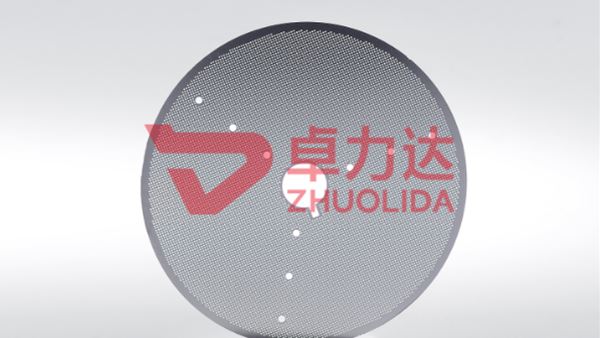
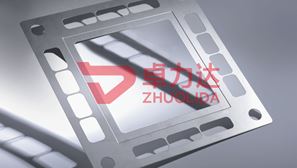
Microporous mesh is a high-precision porous screening and filtration material defined by ultra-fine, uniform micro-scale apertures, widely used for precise separation, fluid purification, ventilation, and protection across global industrial sectors. Different from standard coarse mesh screens, professional microporous mesh features micron-level pore sizes ranging from 0.1mm to several millimeters, with consistent hole distribution, stable structural strength, and excellent permeability. Manufactured via weaving, etching, and precision perforation processes, microporous mesh delivers reliable fine filtration and airflow control, becoming an essential component in pharmaceutical, environmental protection, electronics, food processing, and chemical industries worldwide. This SEO and GEO-optimized guide elaborates on core definitions, mainstream types, unique advantages, regional applications, and professional selection tips for microporous mesh.
Microporous mesh refers to high-density mesh materials with standardized microscopic pore structures, designed to filter tiny particles, isolate impurities, and balance ventilation and protection. Its core working principle relies on precise pore size grading: tiny solid contaminants and microbial particles are blocked by uniform micro-pores, while gas, liquid, and fine qualified substances pass through smoothly. This high-precision screening mode solves the low-precision and low-purity defects of traditional ordinary mesh products.
The most prominent features of qualified microporous mesh include uniform pore distribution, high flatness, strong pressure resistance, and non-clogging performance. Premium microporous mesh undergoes precision polishing and anti-corrosion treatment, with smooth pore walls that prevent material residue and bacterial growth. Compared with conventional mesh, it achieves higher filtration accuracy while maintaining stable permeability, perfectly meeting the strict purification standards of modern high-end manufacturing industries across Europe, North America, and Asia.
Global industrial microporous mesh is classified by manufacturing technology and material, with three mainstream types dominating the international market, each adapting to distinct industrial scenarios and regional usage environments.
Etched Microporous Mesh is manufactured through photochemical etching technology, featuring ultra-high pore uniformity and smooth burr-free pore walls. This type of microporous mesh supports ultra-fine pore customization down to 0.1mm, with no mechanical stress or material deformation during processing. It is widely favored in high-precision fields such as medical equipment, electronic heat dissipation, and laboratory filtration, and is the mainstream high-end product in European and North American precision manufacturing markets.
Woven Microporous Mesh is made of fine metal wires or polymer fibers through dense weaving. It boasts excellent flexibility and tensile strength, with adjustable mesh density and good fold resistance. Stainless steel 304/316 woven microporous mesh has outstanding corrosion resistance, suitable for liquid filtration and impurity removal in food, beverage, and chemical industries. It is the most cost-effective mass-production type popular in East Asian and Southeast Asian manufacturing bases.
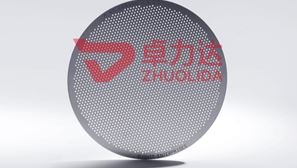
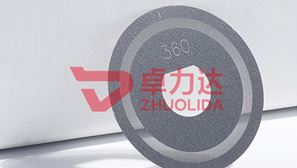
Perforated Microporous Mesh adopts mechanical precise punching molding, with regular and orderly pore arrangement and strong structural rigidity. This microporous mesh has high pressure resistance and flatness, ideal for ventilation and dust prevention of mechanical equipment, sound insulation panels, and industrial pipeline protection. It is widely used in heavy industrial scenarios in the Middle East and Latin America.

Microporous mesh has irreplaceable competitive advantages over traditional filter materials and ordinary mesh screens. Firstly, ultra-high filtration precision. Micron-level pores effectively intercept fine sediment, bacteria, and tiny impurities, improving product purity and meeting international industrial purification standards.
Secondly, balanced permeability and stability. The orderly micropore structure ensures smooth gas and liquid flow while maintaining stable filtration efficiency, avoiding the clogging and low ventilation problems of dense filter cotton. Thirdly, excellent environmental adaptability. Metal microporous mesh resists high temperature and corrosion, while PTFE and polymer microporous mesh withstand chemical erosion, adapting to harsh working conditions such as high temperature, humidity, and strong acid and alkali environments.
Fourthly, long service life and recyclability. High-quality microporous mesh features wear resistance and easy cleaning, which can be reused after washing and dedusting, greatly reducing industrial production and replacement costs, and conforming to global sustainable manufacturing trends.
The application of microporous mesh presents obvious regional differences with global industrial layout. In Europe and North America, high-precision etched microporous mesh is mainly applied in medical devices, biopharmaceuticals, aerospace precision filtration, and high-end electronic equipment, pursuing ultra-high precision and sterile performance to meet strict local industry regulations.
In East Asia and Southeast Asia, woven and perforated microporous mesh are widely used in food processing, water treatment, electronic accessories, and daily industrial filtration. Local markets focus on cost performance and mass supply capacity, with products covering medium-precision filtration and equipment protection scenarios. In tropical humid regions, corrosion-resistant stainless steel and polymer microporous mesh are prioritized to resist moisture oxidation and microbial erosion.
In the Middle East and Latin American heavy industrial areas, high-rigidity perforated microporous mesh is mainstream, serving petroleum, chemical, and mining industries. It adapts to high-pressure, high-temperature, and dusty harsh environments, providing stable impurity filtration and equipment ventilation protection.
Reasonable material selection is critical to maximize the performance ofmicroporous mesh For humid, corrosive tropical and coastal regions, 316 stainless steel and PTFE microporous mesh are recommended for superior anti-rust and chemical resistance. For low-temperature and dry European and American industrial environments, 304 stainless steel woven microporous mesh maintains stable structural toughness and filtration efficiency.
For pharmaceutical and food-grade scenarios with high hygiene requirements, food-grade polymer and polished stainless steel microporous mesh should be selected to avoid impurity precipitation and bacterial growth. For high-pressure industrial filtration, thickened perforated microporous mesh is optimal to prevent deformation and damage under long-term pressure.
Microporous mesh, as a versatile high-precision industrial material, plays a vital role in global filtration, ventilation, and protection fields. With diverse types, stable performance, and wide environmental adaptability, microporous mesh can meet the differentiated precision demands of various industries and regional working conditions. As global industrial upgrading and environmental purification standards continue to improve, the market demand for high-precision, durable, and corrosion-resistantmicroporous mesh will continue to rise. Mastering the classification, advantages, and regional selection skills of microporous mesh helps global buyers and manufacturers optimize filtration solutions, improve product quality, and reduce long-term operating costs.


 189-3869-3452 0513-8160 1666
 E-MAIL:yw5@zldsmt.com
 QQ:$qq
 No. 268, Jinchuan Road, Nantong high tech Industrial Development Zone, Tongzhou District, Nantong City, Jiangsu Province
All Rights Reserved © 2019-2030Nantong Zhuolida metal Technology Co., Ltd.
ICP:【苏ICP备17060045号-3】


 TEL
TEL Products
 News
News About us