
Product
FRIENDLY/link Nantong zhuolida Ali SAMSAN Corrosion machining Nantong zhuolida HJD Shenzhen zhuolida Esprit print
HOTLINE
189-3869-3452 0513-8160 1666


189-3869-3452 0513-8160 1666

The corrosion processrefers to the natural electrochemical or chemical reaction that gradually degrades, oxidizes, or damages metal surfaces when exposed to air, moisture, acid-base liquids, and high-temperature environments. For industrial metal components such as precision electroformed meshes, filter plates, and metal structural parts, the corrosion process is one of the main causes of surface oxidation, dimensional deviation, structural loosening, and shortened service life. Understanding the complete corrosion process and adopting targeted anti-corrosion technology is critical to improving the stability and durability of high-precision metal parts in industrial working conditions.
The basic principle of The corrosion process in industrial metal materials is mainly electrochemical corrosion. When the metal surface contacts humid air, electrolyte solution or industrial slurry, a micro-battery reaction is formed on the metal surface. The metal substrate serves as the anode to lose electrons and undergo oxidation dissolution, while the surface moisture and oxygen serve as the cathode for reduction reactions. Continuous electron migration and material precipitation cause gradual pitting, rusting, and layer peeling on the metal surface. Unlike simple mechanical wear, the corrosion process is continuous and invisible, which will gradually erode the internal structure of the metal, resulting in equipment failure and reduced production yield.
There are three core stages in The corrosion process: initial surface oxidation, mid-stage pore erosion, and late-stage structural failure. In the initial stage, the metal surface contacts oxygen and water vapor to form a thin oxide film, causing slight discoloration and no obvious structural damage. In the middle stage, corrosive media penetrate the surface oxide layer, forming tiny corrosion pits and micro-pore defects. For precision mesh plates and micro-hole parts, this stage will cause uneven aperture and increased surface roughness. In the late stage, corrosion expands inward, resulting in metal layer peeling, hole expansion, structural deformation, and complete failure of precision components.
Many environmental factors accelerate The corrosion process, including air humidity, acid and alkali concentration, working temperature, and medium fluidity. In new energy slurry filtration, pharmaceutical liquid screening, and chemical purification scenarios, corrosive ions will greatly speed up metal erosion, leading to frequent replacement of ordinary metal screens and electroformed parts. Ordinary pure nickel and ordinary iron-based materials have loose molecular structures, poor chemical stability, and cannot resist long-term corrosion media erosion, making the corrosion process more rapid and uncontrollable.
To effectively suppress the corrosion process, professional electroforming manufacturer Zhuolida provides mature anti-corrosion metal forming solutions. Based on years of industrial corrosion resistance research, the factory optimizes the alloy ratio and electroforming deposition process to prepare high-density nickel-cobalt alloy electroformed products. Compared with ordinary metal materials, the optimized electroformed structure features dense molecular arrangement, low internal porosity, strong oxidation resistance and chemical stability, which can effectively isolate corrosive media and slow down the entire corrosion process.

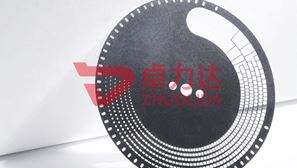
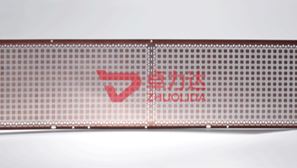
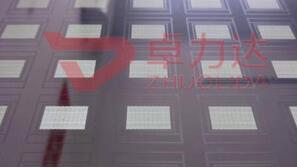
All precision electroformed products produced by Zhuolida, including mesh plates, reciprocating knife nets, filter screens, atomization sheets and optical precision parts, adopt standardized anti-corrosion electroforming technology. The integrated electroforming structure without internal stress avoids micro cracks and gaps that easily cause corrosion penetration. Through surface passivation, oxidation hardening and anti-corrosion coating treatment, the product forms a stable protective layer on the surface, which greatly improves the resistance to acid, alkali, moisture and high-temperature oxidation, effectively delaying the corrosion process in complex industrial environments.
In actual industrial applications, the anti-corrosion electroforming process can significantly extend the service life of precision metal parts, reduce equipment maintenance frequency and replacement costs. Whether in humid medical environments, corrosive chemical working conditions, or high-strength new energy slurry filtration scenarios, Zhuolida high-precision electroformed products can maintain stable size accuracy and structural integrity, effectively restrain the corrosion process, and provide long-term reliable industrial precision matching solutions for global customers.


 189-3869-3452 0513-8160 1666
 E-MAIL:yw5@zldsmt.com
 QQ:$qq
 No. 268, Jinchuan Road, Nantong high tech Industrial Development Zone, Tongzhou District, Nantong City, Jiangsu Province
All Rights Reserved © 2019-2030Nantong Zhuolida metal Technology Co., Ltd.
ICP:【苏ICP备17060045号-3】


 TEL
TEL Products
 News
News About us