
Product
FRIENDLY/link Nantong zhuolida Ali SAMSAN Corrosion machining Nantong zhuolida HJD Shenzhen zhuolida Esprit print
HOTLINE
189-3869-3452 0513-8160 1666


189-3869-3452 0513-8160 1666

Copper corrosion is a common electrochemical degradation phenomenon that gradually destroys copper and copper alloy components in industrial environments. Although copper features excellent natural conductivity and ductility, it is still susceptible to oxidation, sulfidation, and chemical erosion under humidity, high temperature, and corrosive gas conditions. Uncontrolled Copper corrosionwill cause surface discoloration, material thinning, structural pitting, increased electrical resistance, and even equipment failure. For precision electronics, heat exchange systems, communication components, and industrial fluid equipment, effective copper corrosion prevention is essential to maintain long-term operational stability and extend component service life.
In industrial manufacturing, many precision parts, including copper cooling plates, conductive terminals, micro circuit components, and fluid channel structures, rely on copper’s superior physical properties. However, persistent Copper corrosion often leads to hidden quality risks. Corroded copper surfaces form loose oxide and sulfide layers that fall off easily, blocking microchannels, interfering with current transmission, and reducing heat exchange efficiency. For high-precision industrial systems, slight copper corrosion can gradually evolve into batch performance degradation and increased maintenance costs. Therefore, understanding the core mechanisms of copper corrosion and adopting professional protection strategies is critical for modern precision manufacturing.
Industrial copper corrosion can be divided into several typical categories according to different environments and chemical reactions, each with distinct failure characteristics. The most common type is atmospheric corrosion. Under humid air conditions, copper reacts with oxygen and water vapor to generate cupric oxide and cuprous oxide, resulting in gradual darkening and oxidation of the copper surface. In coastal or high-humidity workshops, salt particles accelerate the reaction speed, causing rapid surface aging.
The second typical type is sulfide corrosion. In industrial environments containing hydrogen sulfide, sulfur dioxide, or organic sulfides, copper surfaces will form black copper sulfide deposits. This type of Copper corrosion is extremely harmful to precision conductive components, as sulfide layers are poorly conductive and unstable, easily causing signal attenuation and poor contact. It is one of the main causes of failure in communication and electronic copper parts.
In addition, liquid corrosion and electrochemical corrosion frequently occur in heat exchange and fluid equipment. When copper components work in acidic, alkaline, or impure water coolant environments, potential differences form on the metal surface, triggering continuous electrochemical etching. This results in uniform thinning or local pitting, seriously damaging the sealing and structural stability of microchannel components. Different from mechanical wear, Copper corrosiondevelops silently and continuously, making long-term prevention more important than post-maintenance.
Neglected copper corrosion will bring multi-dimensional losses to industrial production, especially for high-precision and high-reliability equipment. First, it reduces electrical performance. Oxide and corrosion layers increase surface resistance, leading to unstable current transmission, increased heat generation, and reduced equipment operating efficiency. In high-frequency communication and precision control systems, minor corrosion can cause signal distortion and data deviation.
Second, Copper corrosion destroys heat dissipation performance. Many thermal management components adopt copper materials for high thermal conductivity. Once corroded, the surface forms a low-thermal-resistance isolation layer, and microchannel roughness increases, reducing fluid flow efficiency and heat exchange capacity. Long-term operation will cause equipment overheating and trigger automatic protection or shutdown failure.
Moreover, copper corrosion leads to structural failure and contamination. Corrosion peeling residues may block tiny holes and gaps of precision parts, causing mechanical jamming and fluid channel blockage. In medical, electronic, and precision instrument industries, corrosion debris will also cause product contamination, directly affecting product yield and industrial safety standards.
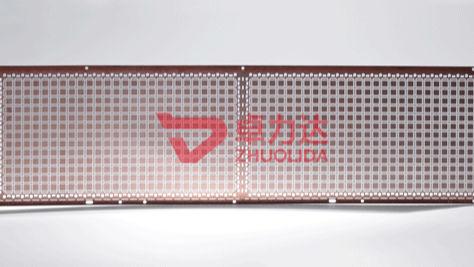
Effective copper corrosion prevention requires systematic solutions from material selection, surface treatment, environmental control, and processing technology. The most widely used method is professional surface passivation and anti-corrosion coating treatment. After precise degreasing, deoxidation, and passivation, copper surfaces form a dense protective film that isolates oxygen, moisture, and corrosive media, fundamentally slowing down electrochemical corrosion reactions.
For precision micro-components that cannot adopt thick coating processes, advanced electroforming composite material optimization is an ideal solution. By alloying copper elements or adopting high-purity nickel composite cladding structure, manufacturers can greatly improve surface corrosion resistance without affecting conductivity and heat dissipation. This process is especially suitable for high-end heat exchange plates, micro conductive parts, and optical precision components.
In addition, standardized environmental control is essential. Keeping production and working environments dry, reducing corrosive gas concentration, and regularly replacing circulating coolant can effectively delay the occurrence of Copper corrosion. Reasonable structural design also helps avoid local water accumulation, dead corners, and potential difference concentration, reducing corrosion risks from the source.
As a professional manufacturer of precision micro-metal components, Zhuolida deeply understands the hazards of copper corrosion in high-end industrial equipment. For customers pursuing high stability and long service life, we provide optimized anti-corrosion component solutions to replace easily corroded ordinary pure copper parts.
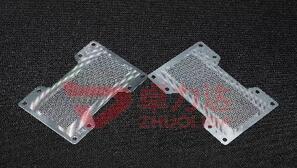
Zhuolida adopts high-purity alloy electroforming technology and precise surface passivation processes to produce anti-corrosion heat exchange plates, microchannel cooling components, and precision conductive parts. Compared with traditional pure copper parts, our optimized components feature denser metal grain structure, stronger oxidation resistance, and stable physical performance in high-temperature, high-humidity, and corrosive environments. While maintaining excellent thermal conductivity and electrical conductivity, the products effectively avoid failures caused by Copper corrosion.
All anti-corrosion precision components are produced in dust-free intelligent workshops with strict quality inspection on surface flatness, structural uniformity, and corrosion resistance. We support full non-standard customization for different industrial working conditions, helping global customers solve copper aging, corrosion failure, and performance attenuation problems, realizing long-term stable operation of precision equipment.
Copper corrosion is an unavoidable industrial problem that endangers conductivity, heat dissipation, and structural safety of copper components. Passive maintenance after corrosion is costly and inefficient. Adopting professionalcopper corrosion prevention technology and high-quality anti-corrosion precision parts is the most reliable way to optimize industrial thermal management and electronic systems. With mature electroforming technology and industrial anti-corrosion experience, Zhuolida provides high-stability customized solutions for global high-end manufacturing, effectively resisting copper corrosion risks and improving equipment durability and production efficiency.



 189-3869-3452 0513-8160 1666
 E-MAIL:yw5@zldsmt.com
 QQ:$qq
 No. 268, Jinchuan Road, Nantong high tech Industrial Development Zone, Tongzhou District, Nantong City, Jiangsu Province
All Rights Reserved © 2019-2030Nantong Zhuolida metal Technology Co., Ltd.
ICP:【苏ICP备17060045号-3】


 TEL
TEL Products
 News
News About us