
Product
FRIENDLY/link Nantong zhuolida Ali SAMSAN Corrosion machining Nantong zhuolida HJD Shenzhen zhuolida Esprit print
HOTLINE
189-3869-3452 0513-8160 1666

189-3869-3452 0513-8160 1666

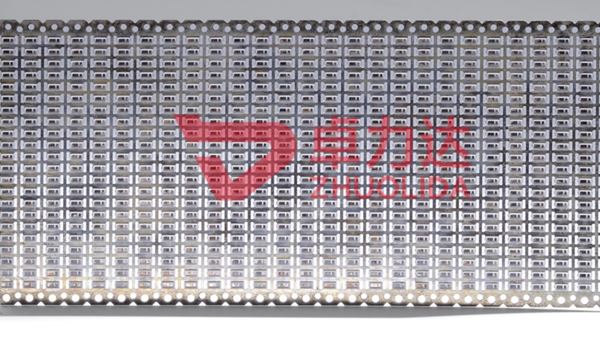
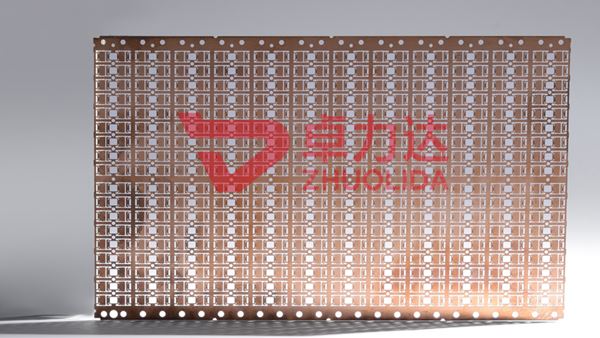
EMC stents, professionally defined as Endoscopic Metallic Composite stents, are high-precision minimally invasive medical devices widely applied in gastrointestinal, biliary and respiratory tract intervention treatments. As upgraded composite metallic stent solutions, EMC stents integrate advanced self-expanding structure, biocompatible materials and optimized mechanical design, perfectly solving stenosis obstruction and drainage disorders in human luminal organs. Different from traditional ordinary metal stents and plastic stents, the medical EMC stent features balanced radial support force, excellent flexibility and long-term tissue compatibility, which can adapt to complex physiological bending and peristalsis. Custom EMC stent specifications further meet personalized clinical intervention needs, becoming a core device for modern minimally invasive endoscopic diagnosis and treatment.
With the rapid development of minimally invasive medical technology, traditional surgical treatment has been gradually replaced by endoscopic interventional therapy due to large trauma, slow recovery and high complication rate. Ordinary stents on the market often have prominent defects: insufficient supporting force leads to poor dilation effect, excessive hardness causes tissue irritation, and poor biocompatibility easily induces granulation hyperplasia and stent blockage. The innovative structural and material design of EMC stents effectively makes up for these industry pain points. Through precise weaving process and composite surface treatment, it achieves stable lumen dilation, unobstructed fluid drainage and low tissue irritation, greatly improving the success rate of clinical intervention and postoperative patient recovery quality.
The core working logic of EMC stents relies on self-expanding mechanical structure and physiological adaptive design. The stent is compressed and loaded into a miniature delivery catheter during surgery. Under the precise guidance of endoscopy, the catheter is delivered to the lesion stenosis position. After accurate positioning, the stent is released and automatically expands to the preset diameter by virtue of its unique memory metal elasticity, effectively supporting the narrowed lumen and restoring the normal physiological passage of organs.
Different from rigid fixed-dilation stents, the medical EMC stentshas super elastic flexibility, which can synchronously adapt to the peristalsis and bending movement of visceral organs. It avoids mechanical friction and compression damage to surrounding tissues. The unique mesh weaving structure ensures uniform radial supporting force, which can fully dilate the stenosis without local excessive extrusion. Meanwhile, the micro-porous structure facilitates tissue fluid circulation and mucosal growth attachment, reducing the risk of postoperative stent displacement and blockage, realizing long-term stable auxiliary treatment.
The excellent clinical performance of EMC stents benefits from high-end material selection and optimized structural design. Most high-quality EMC stents adopt medical-grade nickel-titanium alloy memory metal materials, which have ultra-high elasticity, fatigue resistance and biocompatibility. The material will not produce rejection reaction with human tissues, and can maintain stable mechanical properties in human physiological environment for a long time, without deformation, fracture or performance attenuation.
In terms of structure, the medical EMC stentsadopts precise cross-weaving mesh technology, with uniform mesh density and smooth stent surface. Compared with traditional dense mesh stents, it reduces tissue stimulation and granulation hyperplasia, while ensuring sufficient supporting strength. The two-end flared design effectively prevents stent migration and displacement, improving placement stability. Some upgraded EMC stents are equipped with full or semi-covered film structure, which can isolate lesion tissues, prevent tissue ingrowth, and reduce the probability of lumen re-stenosis.
In addition, the customized EMC stent realizes ultra-thin wall design while maintaining strength, which reduces the overall foreign body sensation after implantation. It has good compatibility with human physiological activities, significantly improving patient comfort after surgery and reducing postoperative complications such as pain, inflammation and blockage.
EMC stents are widely used in mainstream minimally invasive endoscopic intervention fields, covering digestive tract, biliary tract, respiratory tract and multiple organ stenosis treatment. In gastrointestinal intervention, they are mainly used for benign and malignant stenosis of esophagus, stomach, intestinal tract, as well as postoperative anastomotic stenosis dilation, solving dysphagia, intestinal obstruction and other problems, and restoring patients' digestive tract passage function.
In biliary system treatment, the medical EMC stentsis applied to biliary stricture, bile duct obstruction and biliary drainage. It can effectively drain bile, relieve jaundice and cholestasis, and is suitable for palliative treatment of malignant biliary obstruction and reconstruction of benign biliary tract lesions. In respiratory intervention, EMC stents are used for tracheal and bronchial stenosis dilation, supporting respiratory lumen, improving ventilation and solving dyspnea symptoms.
At the same time, EMC stents are also applicable to tumor lesion dilation, postoperative recurrence stenosis and chronic inflammatory stenosis treatment. With wide adaptability and stable curative effect, they have become essential precision devices for endoscopic interventional operating rooms in major hospitals and medical institutions.
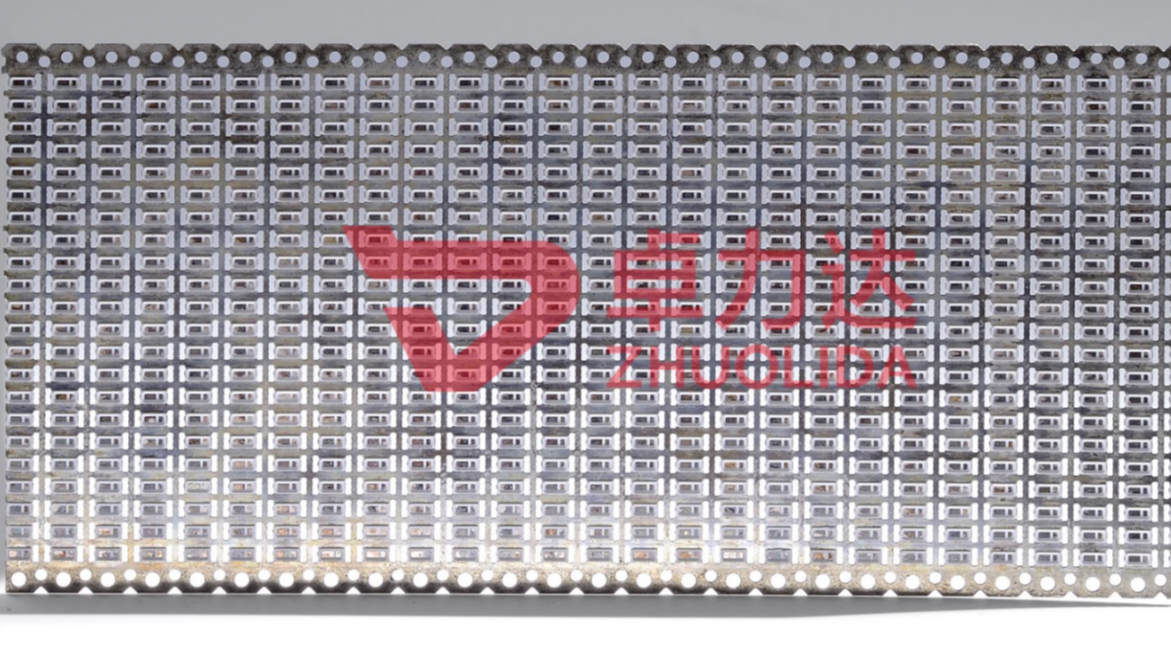
Compared with traditional plastic stents and ordinary metal stents, EMC stents have obvious comprehensive clinical advantages. Firstly, they have a lower blockage rate. The optimized mesh structure and surface coating treatment effectively inhibit tissue ingrowth and mucus adhesion, greatly reducing the risk of postoperative stent blockage and extending the service cycle of stent implantation.
Secondly, the medical EMC stent has stronger physiological adaptability. Its super elastic flexibility can follow the peristalsis and bending of visceral organs, avoiding stent fracture, displacement and tissue damage caused by long-term rigid extrusion. The uniform supporting force ensures thorough dilation of stenosis without secondary damage to normal mucosal tissues.
In addition, EMC stents feature convenient implantation and removal. The ultra-compressed design reduces the diameter of the delivery catheter, making the implantation operation more minimally invasive, with less intraoperative trauma and faster postoperative recovery. For temporary intervention treatment, the stent can be safely and efficiently removed after lesion recovery, with low secondary injury to tissues, which is more in line with modern medical minimally invasive treatment concepts.
To adapt to different lesion positions, stenosis degrees and patient physical differences, professional EMC stentssupports full-dimensional personalized medical customization. It can customize stent diameter, effective length, mesh density and expansion ratio according to clinical lesion parameters. For special bending physiological parts, ultra-flexible customized structures can be optimized to ensure perfect fitting of lumen morphology.
In terms of functional customization, customers can choose covered, uncovered and semi-covered film structures to adapt to different treatment needs: covered stents prevent tissue ingrowth and are suitable for malignant stenosis, while uncovered stents facilitate mucosal tissue growth and are suitable for benign long-term implantation. Meanwhile, special surface anti-inflammatory and anti-blocking coating treatments can be customized to further improve clinical application effect. It supports small-batch medical sample customization and large-batch standardized mass production, meeting the supporting needs of medical institutions and medical device suppliers.
As a new generation of high-precision minimally invasive interventional medical devices, EMC stentsbreak through the performance limitations of traditional stents with composite material advantages, flexible mechanical structure and low-risk clinical characteristics. The safe, durable and high-efficiency medical EMC stent and personalized customized solutions are widely used in digestive tract, biliary tract and respiratory tract stenosis intervention treatment. Choosing professional EMC stents can effectively improve the success rate of minimally invasive surgery, reduce postoperative complications, accelerate patient recovery, and provide reliable and high-quality device support for modern endoscopic interventional medicine.



 189-3869-3452 0513-8160 1666
 E-MAIL:yw5@zldsmt.com
 QQ:$qq
 No. 268, Jinchuan Road, Nantong high tech Industrial Development Zone, Tongzhou District, Nantong City, Jiangsu Province
All Rights Reserved © 2019-2030Nantong Zhuolida metal Technology Co., Ltd.
ICP:【苏ICP备17060045号-3】


 TEL
TEL Products
 News
News About us