
Product
FRIENDLY/link Nantong zhuolida Ali SAMSAN Corrosion machining Nantong zhuolida HJD Shenzhen zhuolida Esprit print
HOTLINE
189-3869-3452 0513-8160 1666

189-3869-3452 0513-8160 1666

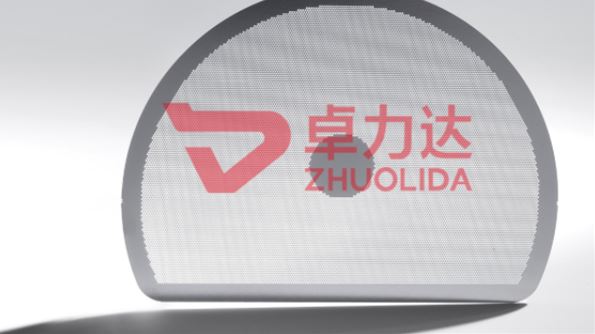
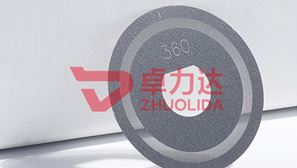
microporous plate etchings a high-precision photochemical machining process used to create uniform, tiny pore structures on thin metal and alloy plates. As a core microfabrication technology in modern industrial manufacturing, microporous plate etching removes unwanted material through controlled chemical reactions instead of mechanical drilling or stamping. This advanced manufacturing method delivers burr-free, stress-free, and highly consistent microporous plates, widely adopted by precision industries across North America, Europe, Southeast Asia, and Oceania. This comprehensive guide explains the core principles, standard processes, key advantages, global applications, and regional selection tips of microporous plate etching
A prominent feature of microporous plate etchingis zero mechanical stress throughout the production process. There is no extrusion, impact, or friction on the substrate, ensuring the flatness, toughness, and original physical properties of metal plates remain unchanged. This solves common defects of traditional drilling processes such as pore deformation, edge burrs, and material fatigue, making it the preferred process for ultra-thin and high-density microporous plate production worldwide.
The mature microporous plate etching workflow is standardized and stable, suitable for mass customized production in global factories. The complete process includes six core steps to guarantee pore size accuracy and overall consistency.
Fourth, chemical etching. Professional etching solution is used for constant-temperature circulating etching to ensure consistent pore depth and smooth inner walls. Fifth, film stripping and cleaning. After etching, the residual photoresist is completely removed, and the plate is cleaned and dried to avoid chemical residue. Sixth, quality inspection and packaging. Finished microporous plate etchingare tested for pore size uniformity, flatness, and permeability to meet international industrial standards.
microporous plate etchinghas obvious competitive advantages compared with laser drilling, mechanical stamping, and CNC machining, which is why it dominates the global precision micro-hole processing market. Firstly, ultra-high precision. The etching process supports micro-pores with diameters as small as 0.1mm, with accurate pore spacing and uniform pore wall smoothness, meeting the requirements of high-end filtration and electronic components.

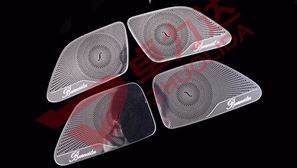
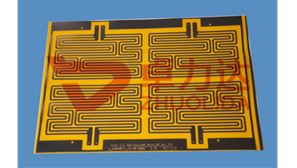
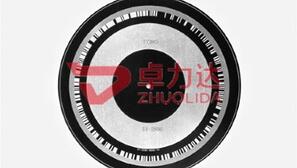
In Southeast Asia and East Asian manufacturing bases, microporous plate etchingis more widely used in electronic accessories, industrial filter screens, sound insulation panels, and gas-liquid separation equipment. Titanium alloy and stainless steel etched microporous plates produced in these regions are popular in environmental protection and new energy industries due to their corrosion resistance and high temperature resistance. In addition, etched microporous plates are also essential core components in MEMS microfluidic chips, precision sensors, and aerospace lightweight parts.
Users in different regions need to select microporous plate etching solutions according to usage environments. For humid and corrosive working environments in coastal areas and tropical regions, stainless steel or titanium alloy etched microporous plates are recommended to enhance oxidation and corrosion resistance. For dry and high-precision laboratory scenarios in European and American regions, copper and aluminum microporous plates with uniform thermal conductivity are more suitable.
microporous plate etchinghas become an irreplaceable precision processing technology in modern manufacturing by virtue of high precision, no deformation, strong customization, and low comprehensive cost. With the continuous upgrading of global precision manufacturing, the market demand for high-quality etched microporous plates in medical, electronic, environmental protection, and aerospace industries is increasing year by year. Understanding the process principles, advantages, and regional application characteristics of microporous plate etching helps global buyers and manufacturers select more suitable processing solutions and improve product market competitiveness.

 189-3869-3452 0513-8160 1666
 E-MAIL:yw5@zldsmt.com
 QQ:$qq
 No. 268, Jinchuan Road, Nantong high tech Industrial Development Zone, Tongzhou District, Nantong City, Jiangsu Province
All Rights Reserved © 2019-2030Nantong Zhuolida metal Technology Co., Ltd.
ICP:【苏ICP备17060045号-3】


 TEL
TEL Products
 News
News About us